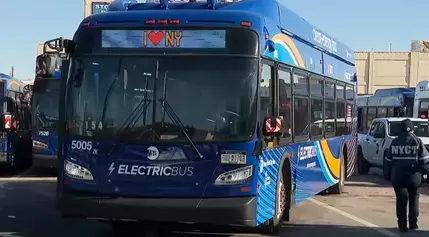
The implementation of congestion pricing in New York City has sparked significant changes, with the Metropolitan Transportation Authority (MTA) unveiling its first major purchase: a fleet of electric buses. Since the controversial plan went into effect, the MTA has been collecting tolls to fund improvements for the city’s public transportation system. This initiative aims to reduce traffic congestion and pollution while modernizing transit infrastructure. Early reports suggest that commuting speeds have improved, but concerns remain about transparency and the financial impact on drivers.
Revolutionizing Public Transport with Zero-Emission Vehicles
New York City is taking bold steps towards greener transportation by introducing 265 new electric buses. These vehicles will replace older diesel models, significantly reducing emissions and improving air quality across the city. The MTA Chairman, Janno Lieber, highlighted this as the first tangible outcome of congestion pricing during a press conference. He emphasized that these buses are part of a broader commitment to creating more sustainable transit solutions.
The introduction of these 40-foot, zero-emission buses represents a crucial milestone in the city's efforts to combat environmental issues. Areas like Astoria and Jamaica, often referred to as "Asthma Alley," stand to benefit greatly from cleaner air. Queens Borough President Donovan Richards pointed out the importance of addressing health concerns in these communities. The new buses will operate on various routes throughout the city, contributing to a more efficient and eco-friendly public transport network. This shift not only enhances the commuting experience but also aligns with global sustainability goals.
Addressing Concerns and Ensuring Transparency
While the benefits of congestion pricing are becoming evident, there are lingering concerns among lawmakers and residents. Many are worried about the financial implications for everyday commuters and the need for transparency in how the collected funds are utilized. City officials have stressed the importance of clear communication regarding who is being charged and how the money will be spent.
Despite the initial success in speeding up commutes, especially during peak hours, some city and state legislators have voiced reservations. They advocate for full transparency to ensure public trust. Queens City Councilwoman Selvena Brooks-Powers noted ongoing concerns about the financial burden on constituents. Similarly, Queens State Senator Leroy Comrie emphasized the necessity of openness in spending practices. The MTA is still processing data from the first week of the plan's implementation, but early indications show that the system is functioning as intended. Moving forward, maintaining transparency will be key to garnering continued support for congestion pricing initiatives.
New