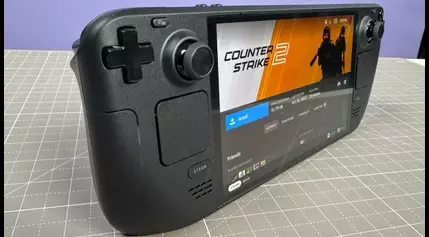
Unifying the Steam Experience: Deck and Desktop Clients Converge
In a series of recent Steam Client Beta updates, Valve has demonstrated its commitment to aligning the user experience across its Steam Deck and desktop platforms. As the Steam Deck's SteamOS 3 and the desktop Steam Client become increasingly intertwined, the updates reveal a concerted effort to harmonize features and functionality, ensuring a seamless experience for all Steam users, regardless of their device of choice.Streamlining the Steam Experience Across Platforms
Parallel Development Fosters Consistency
The reports from GamingOnLinux highlight the remarkable similarities between the patch notes for the Steam Deck and the Desktop Steam Client Beta. This convergence signals a strategic decision by Valve to develop the two versions of the Steam Client in parallel, ensuring that neither platform gets ahead of the other. By maintaining this parity, Valve can deliver a consistent user experience across the entire Steam ecosystem, catering to the needs of its vast PC gaming audience.Shared Features and Functionality
Features like In-Game Recording, which have been enabled for both the Steam Deck and the Desktop Steam Client, exemplify the ongoing effort to unify the experience. The updated Big Picture Interface, which made its way from SteamOS 3 to the desktop Steam Client earlier this year, is another testament to this trend. As the development of the Steam Deck and the desktop Steam Client becomes more interconnected, users can expect a greater level of feature parity and a more cohesive experience across platforms.Optimizing the User Experience
By aligning the Steam Deck and Desktop Steam Client, Valve can ensure that the user experience remains seamless and consistent, regardless of the device being used. This approach allows the company to address issues and implement improvements in a synchronized manner, reducing the potential for discrepancies or incompatibilities between the two platforms. As a result, Steam users can enjoy a more polished and reliable experience, whether they're gaming on the Steam Deck or their desktop computer.Leveraging Learnings Across Platforms
The parallel development of the Steam Deck and Desktop Steam Client also allows Valve to leverage learnings and insights gained from one platform to enhance the other. Bugs, issues, and user feedback can be quickly identified and addressed, ensuring a more robust and responsive Steam experience overall. This cross-pollination of ideas and solutions helps to drive continuous improvement and innovation across the Steam ecosystem.Maintaining a Competitive Edge
In the competitive landscape of PC gaming, Valve's commitment to aligning the Steam Deck and Desktop Steam Client experiences demonstrates a strategic move to strengthen its position. By providing a consistent and seamless experience across devices, Valve can appeal to a broader range of users, solidifying its position as the premier digital distribution platform for PC games. This level of platform integration and user-centric focus can give Valve a distinct advantage over its competitors, further cementing its dominance in the market.Empowering the Steam Deck's Success
The convergence of the Steam Deck and Desktop Steam Client also bolsters the success of Valve's handheld gaming device. By ensuring a unified experience, Valve can leverage the established desktop Steam ecosystem to provide Steam Deck users with a familiar and well-supported platform. This, in turn, can enhance the Steam Deck's appeal, making it a more attractive option for both new and existing Steam users who seek a consistent and high-quality gaming experience across devices.In conclusion, the recent Steam Client Beta updates demonstrate Valve's commitment to aligning the Steam Deck and Desktop Steam Client experiences, fostering a more cohesive and user-centric ecosystem. This strategic move not only enhances the overall Steam experience but also positions Valve for continued success in the competitive PC gaming market.New


19.9K
794
301
Entertainment


34.6K
1.4K
692
Entertainment

8.7K
174
38
Entertainment








34.3K
1.7K
274
Finance


38.8K
387
170
Finance

40.1K
2.8K
336
Finance