
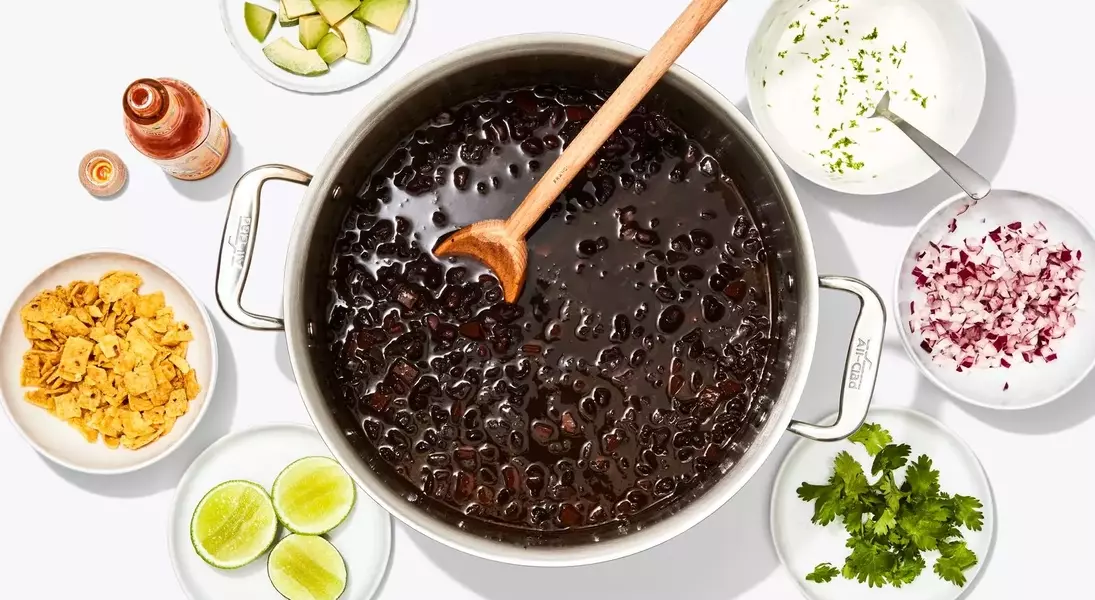
For many culinary enthusiasts, the question of whether to pre-soak dried beans has long been a point of contention. This comprehensive guide, drawing on expert opinions and scientific insights, aims to clarify the best practices for preparing these versatile legumes. While soaking can undeniably enhance the texture and expedite the cooking process for certain varieties, it is not always a mandatory step for achieving a flavorful outcome. Understanding the nuances of bean type, age, and desired culinary results is key to making an informed decision about soaking.
The practice of soaking dried beans primarily serves to rehydrate them, initiating the absorption of water into the bean's core. This pre-hydration is particularly beneficial for larger, older beans, or those that have been stored for extended periods, as it helps to soften their tough outer layers. According to Rebecca Firkser, an editor at Bon Appetit's test kitchen, freshly harvested, smaller beans, especially from artisanal producers, may cook quickly enough without prior soaking. However, for more common varieties or larger beans like gigantes, pre-soaking remains a recommended approach. Steve Sando, founder of Rancho Gordo, a company specializing in heirloom beans, emphasizes that soaking gives the rehydration process a significant head start, leading to a more consistent and creamy texture in the final dish.
The science behind soaking, as detailed by Harold McGee in 'On Food and Cooking,' reveals that cooking un-soaked beans prolongs the process because water struggles to penetrate to the center. This can result in the outer parts of the bean becoming overcooked before the inside is tender. Soaking effectively reduces this disparity, ensuring even cooking. Furthermore, the discussion extends to the digestive implications of soaking. While some believe soaking eases digestion, experts like McGee suggest that prolonged cooking or a brief boil followed by discarding the soaking liquid can help remove oligosaccharides, a type of carbohydrate linked to flatulence. However, this method also means a loss of some nutrients, posing a trade-off for home cooks.
When it comes to cooking methods, there are several viable options depending on your schedule and the type of beans. The traditional overnight soak, typically 6-8 hours, is widely recommended. However, extended soaking, especially for fresh beans, can be counterproductive, potentially causing them to sprout or become overly soft. For those short on time, skipping the soak and cooking directly is possible, though it generally requires a longer cooking duration. A quick-boil method, followed by simmering, is an alternative for no-soak scenarios. Pressure cookers also offer a faster cooking time but might yield a less concentrated broth, a factor that can be remedied by simmering uncovered after pressure cooking to reduce the liquid.
The cooking time for beans varies significantly based on factors such as bean size, age, and altitude. Soaking can reduce cooking time by as much as 25% or more. For instance, smaller beans like chickpeas may see a reduction of 30-40 minutes, while larger varieties could cook in half the time. It is crucial to monitor beans during cooking, ensuring they remain covered with water and stirring periodically to prevent sticking. Tasting multiple beans is recommended to confirm tenderness, as not all beans cook at the same rate. Seasoning also plays a vital role in enhancing flavor; adding fats like olive oil, along with aromatics such as herbs, onions, or dried chilies, early in the cooking process allows flavors to meld beautifully. The timing of salt addition is a matter of debate among chefs, with some preferring to add it as the beans begin to soften, while others incorporate it from the start. Acidic ingredients, such as tomatoes or vinegar, should typically be added towards the end of cooking, as they can lengthen the cooking time.
Cooked beans are highly versatile and can be prepared in batches for use throughout the week. Stored in an airtight container with their broth or water, they remain fresh in the refrigerator for up to five days. For longer storage, cooked beans can be frozen for up to three months, making them a convenient meal prep option. Whether using them in salads, soups, or other dishes, simply defrost and reheat as needed. While canned beans offer convenience, home-cooked dried beans consistently deliver superior flavor and texture. The process, though requiring some planning, is straightforward and rewarding, emphasizing that there are multiple pathways to achieving a perfectly cooked pot of beans.

Top Podiatrist-Recommended Footwear for Plantar Fasciitis Relief

The Impact of Collagen Supplements on Joint Health: A Comprehensive Analysis
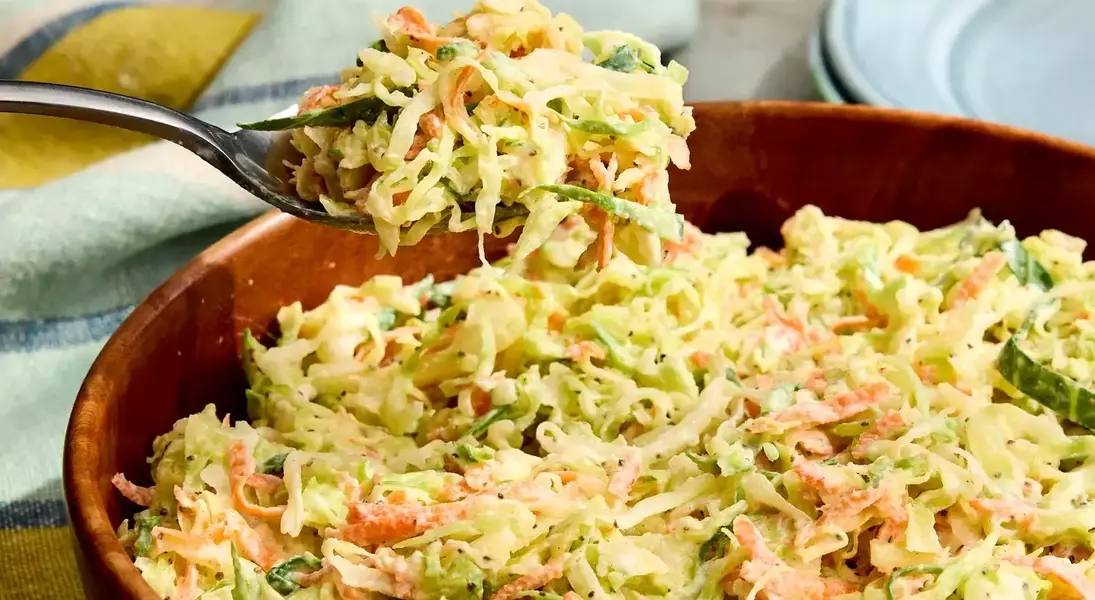
Delicious Make-Ahead Salads for Your Summer Gatherings
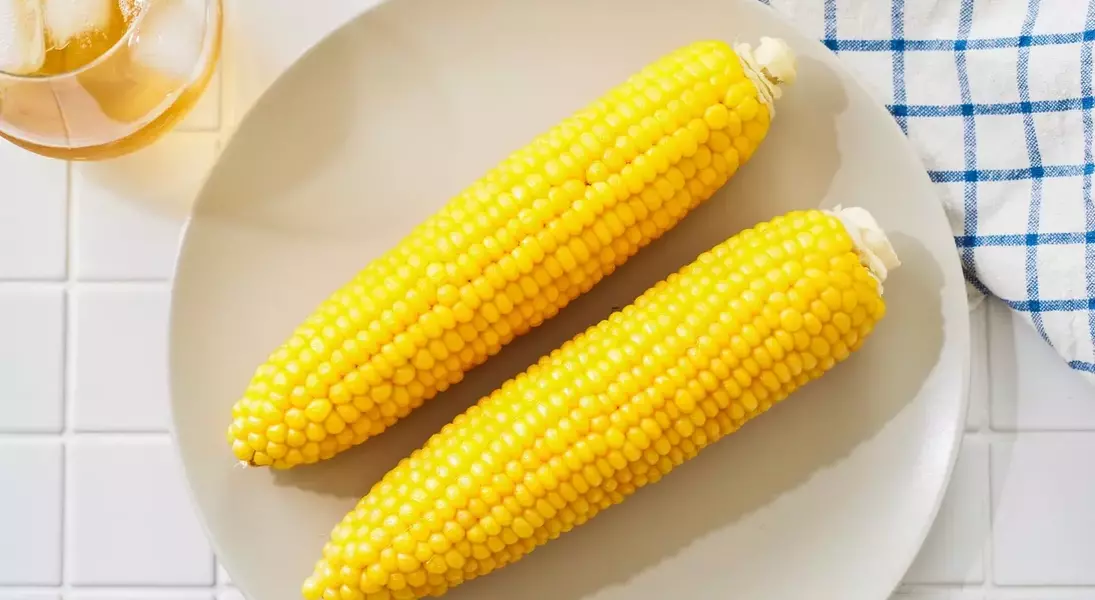
The Culinary Consensus: Chefs Endorse Boiling as the Superior Method for Preparing Corn on the Cob
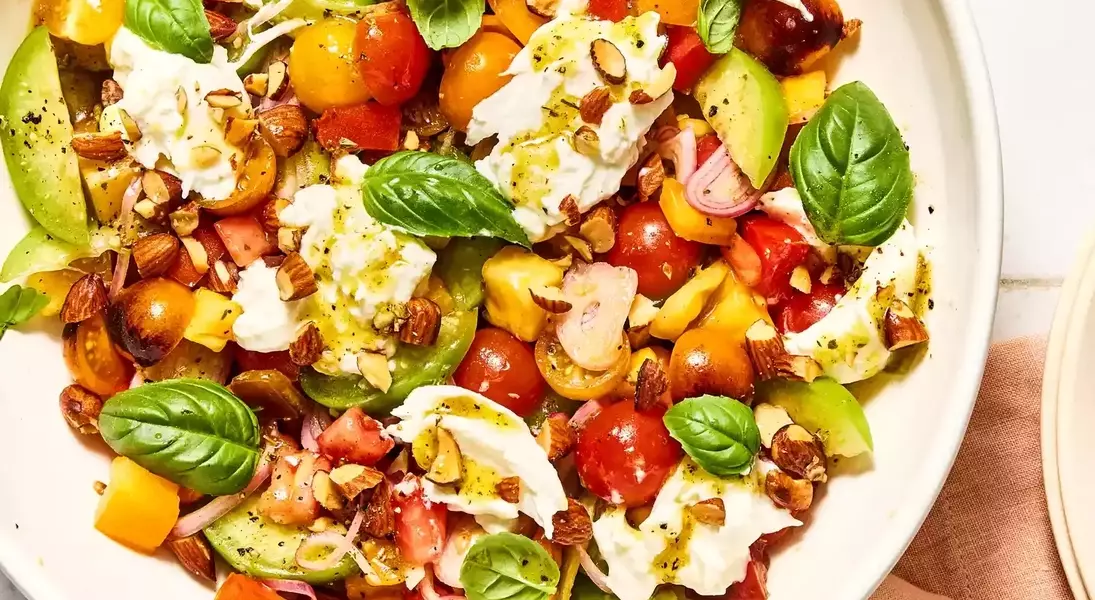
Summer Gathering Snacks: Delicious Appetizers for Any Occasion

Crafting a Refreshing Spicy Cucumber-Jalapeño Limeade
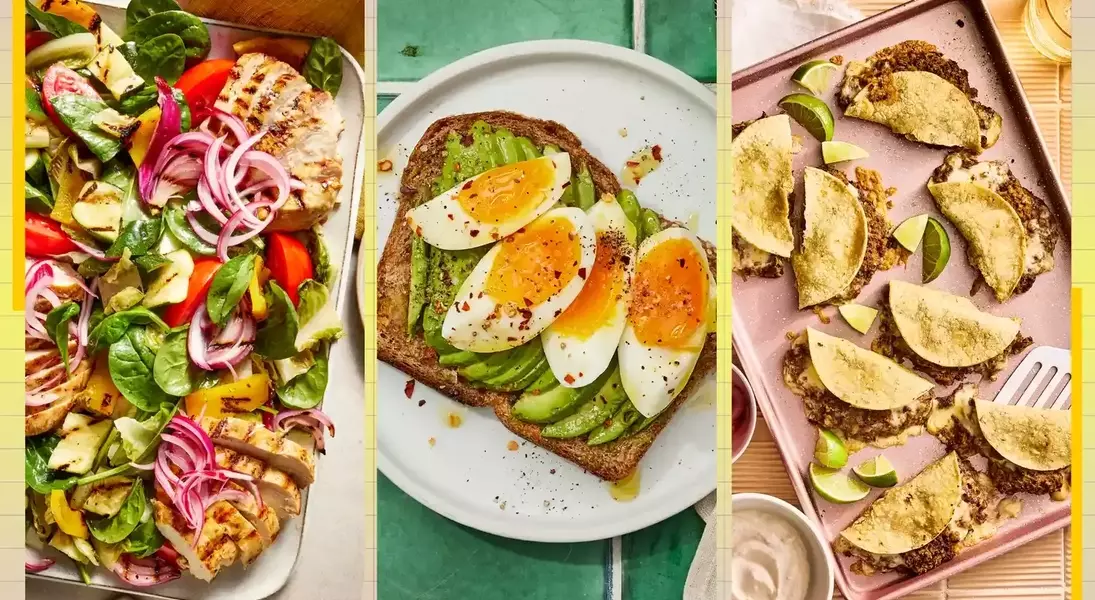
30-Day No-Sugar, High-Fiber Anti-Inflammatory Meal Plan
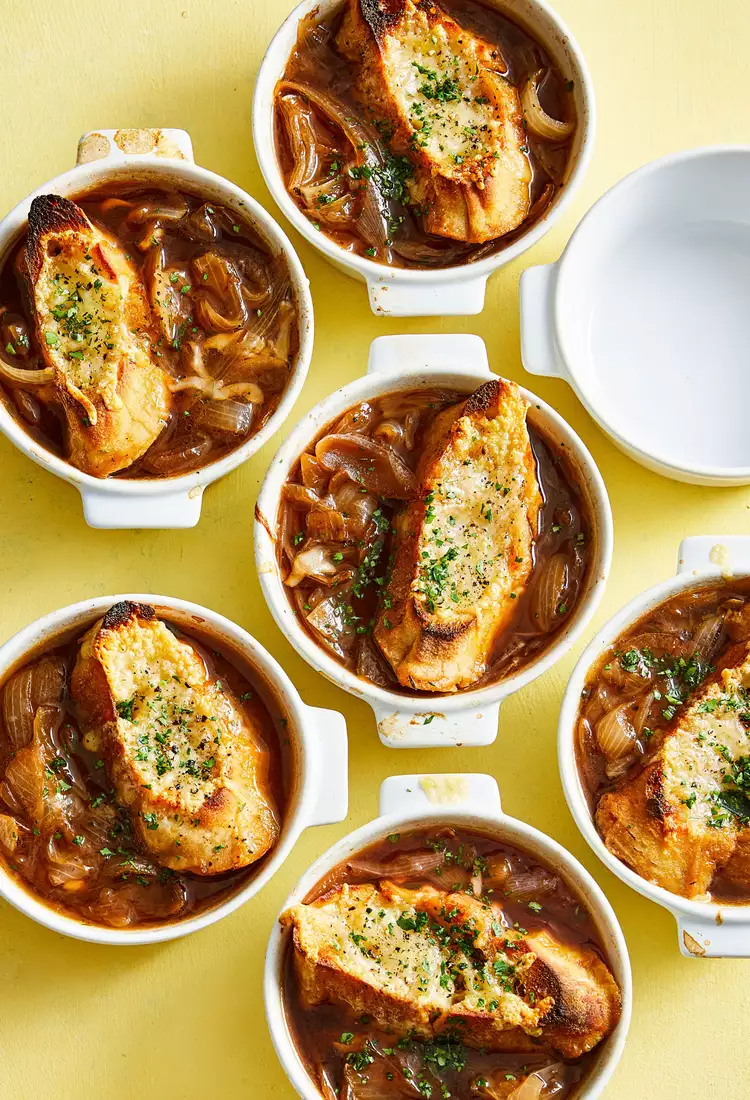
5 Christmas Food Trends to Try This Year
Our 2023 Christmas food trends have a little gift for everyone. Prefer to stay cozy in your slippers? You’ll love our Christmas food trends that nod to French onion soup and baked brie. Or if you’re all about the sparkle, dress up your Christmas menu with caviar or an easy wine cocktail recipe everyone's talking about.
Halloween Oreo Balls
Boo! These Oreo ball ghosts will be a hit at your Halloween party.
Fruit Pizza Christmas Wreath
With a giant cookie ring as the base, this is one Christmas dessert that's sure to be devoured! A sprinkling of seasonal fruits and a few smaller decorated Christmas cookies that look like ornaments add all the eye-catching appeal you need.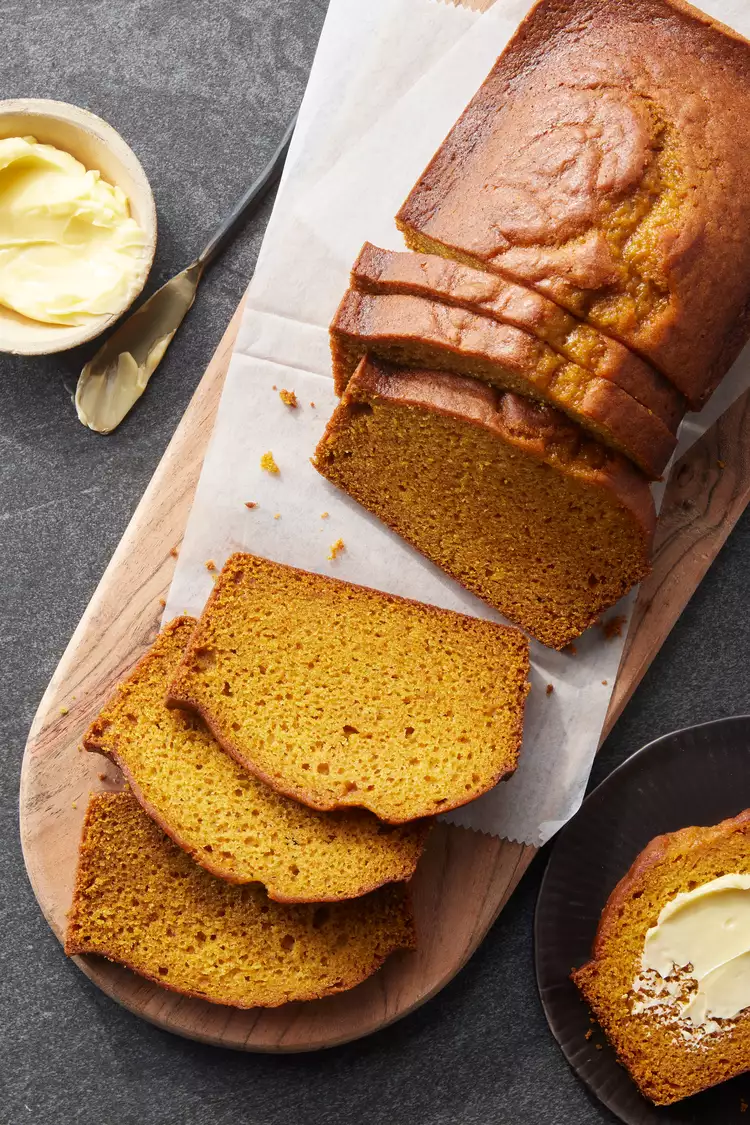
33 Pumpkin Recipes You Can Make for Every Day of Fall
There's pumpkin pie—but pumpkin cheesecake, pumpkin curry, and pumpkin soup might just surprise you as new favorites. From dinner to dessert, healthy to indulgent, quick to time-consuming, these are the pumpkin recipes you should be making this holiday season.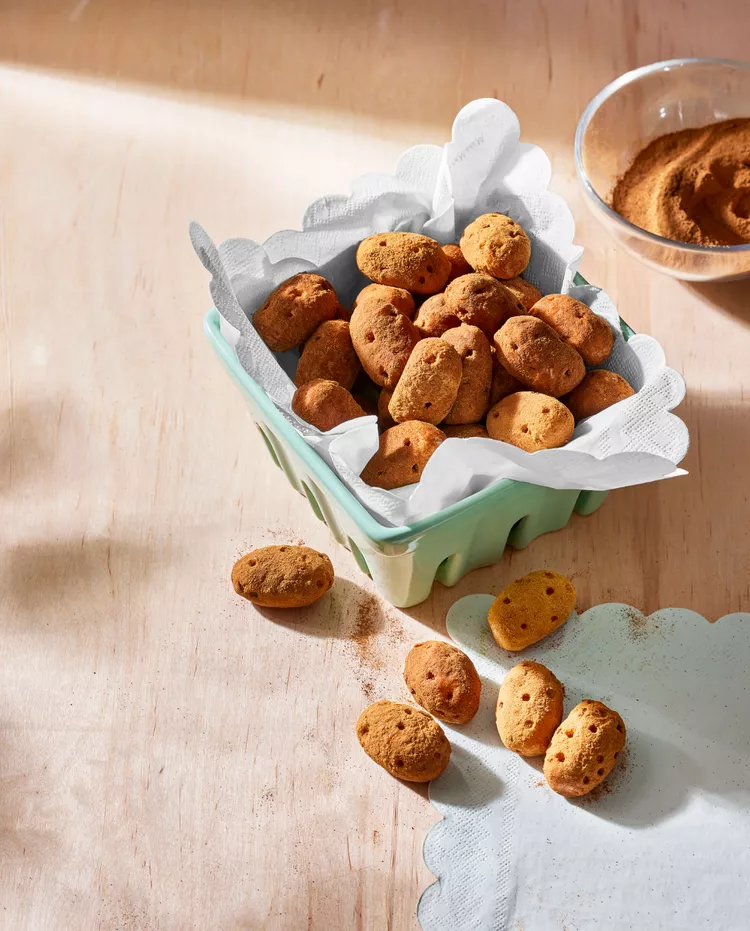
How to Make Irish Potato Candy for St. Patrick's Day
Irish potatoes, as they're often shorthanded, are bite-size confections with a fluffy, creamy texture. Our Irish potato candy recipe is a nod to the St. Patrick's Day tradition often made at home and by regional candymakers.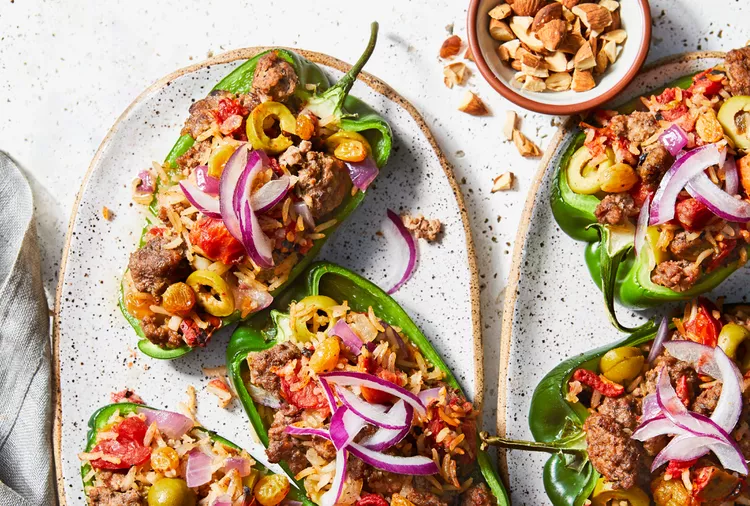
19 Healthy Ground Beef Recipes You'll Want to Make Every Week
These healthy ground beef recipes require only 40 minutes or less of prep time and are destined to become family favorites.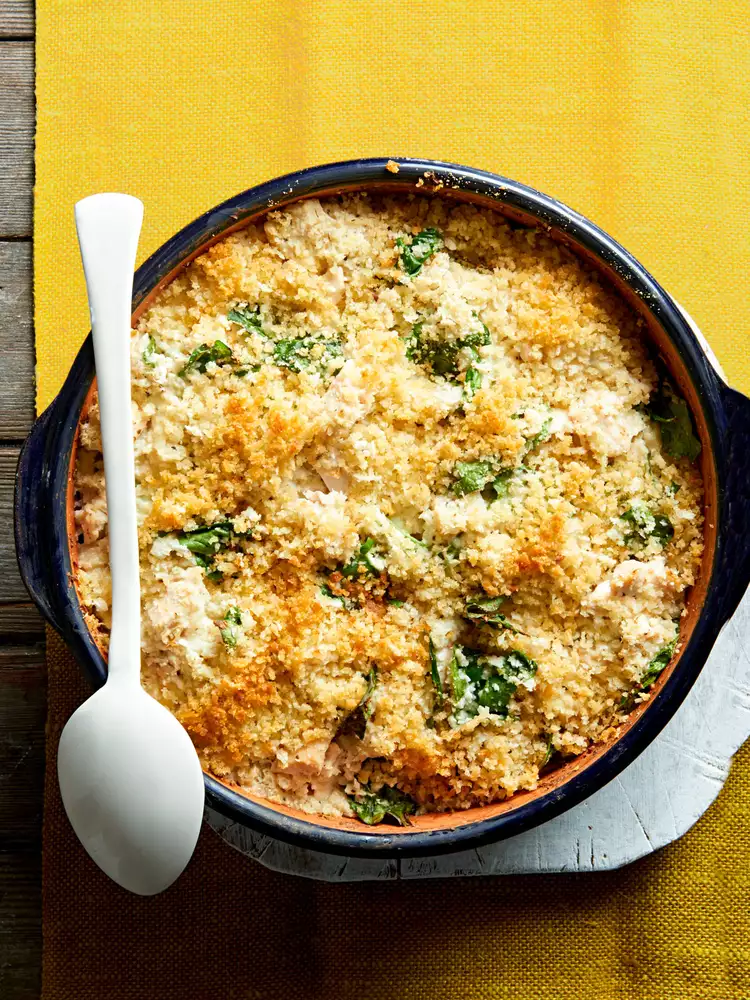
13 One-Pan Chicken and Vegetable Recipes That Make Dinner Easy
Our chicken and vegetables recipes for dinner can cook in a single pan! Check out our healthy dinner ideas that require minimal prep and clean-up.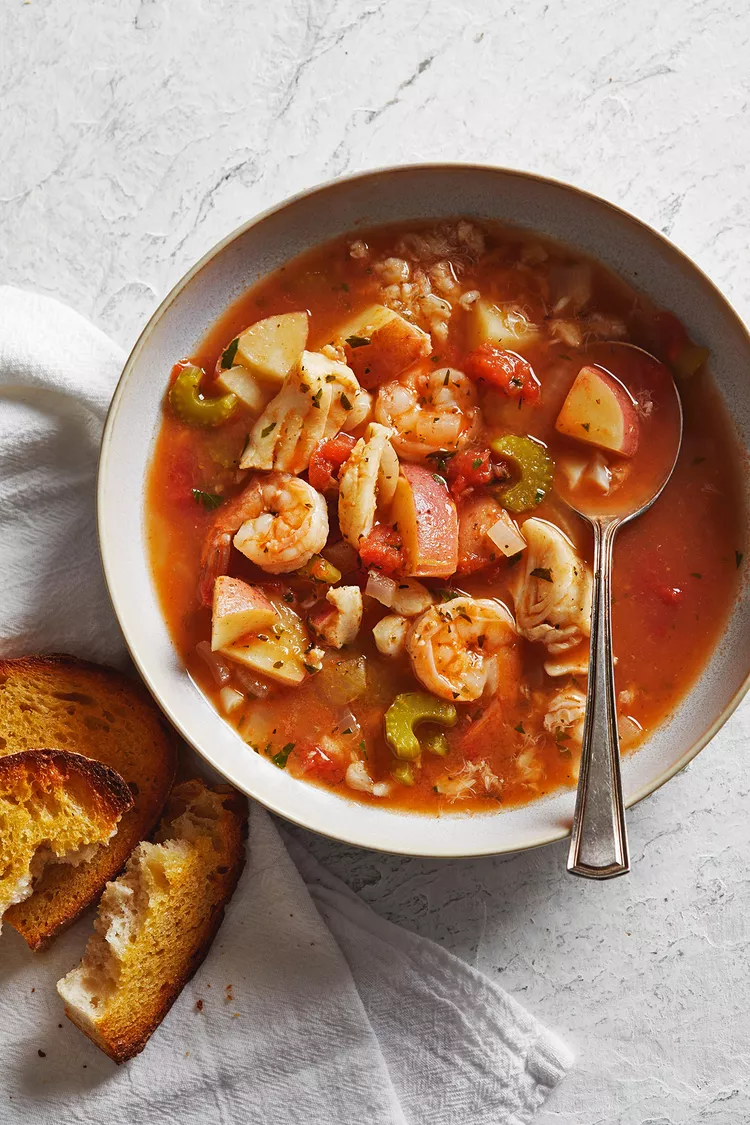
Fast or Slow Seafood Cioppino
This Italian-American stew is the ultimate comfort food for seafood lovers. Instead of standing over the stove, we've got an easy multicooker or slow cooker version to fit your schedule.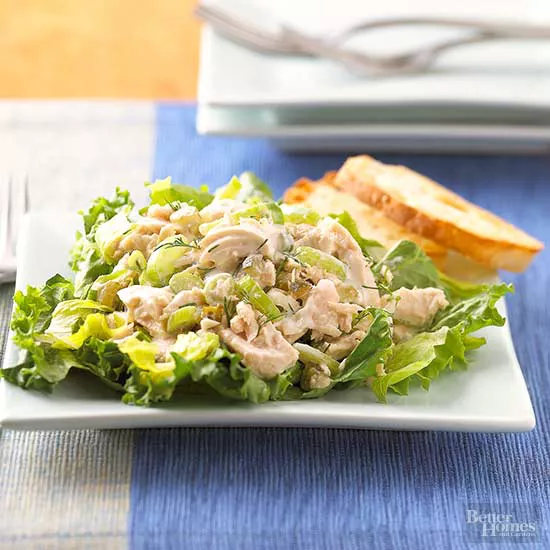
Tuna or Salmon Salad
Dill is a natural choice to season seafood dishes. For variety, use another herb such as basil, oregano, or thyme for this main dish salad.
Raspberry-Peach Clafouti
While this raspberry clafoutis recipe might look like a cake or another classic dessert recipe, we like to serve it for brunch, too! Top each serving of Raspberry-Peach Clafouti with a dusting of powdered sugar or a scoop of vanilla Greek yogurt.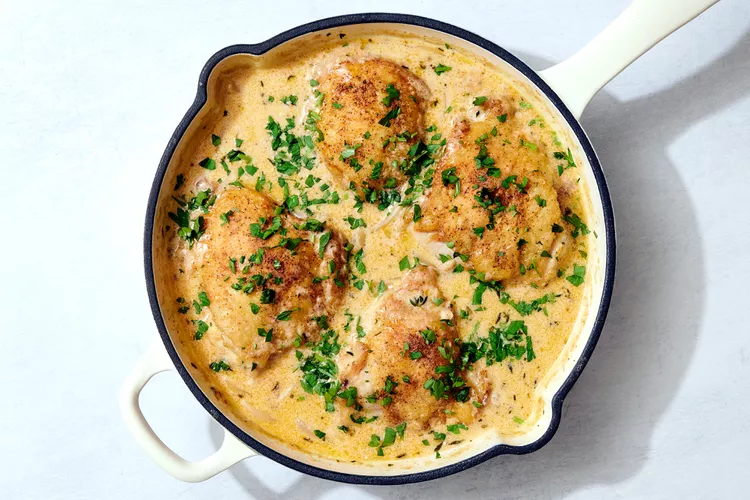
This Smothered Chicken Recipe Is So Good, I Make It Once a Week
This one-pan meal is made with chicken thighs that are smothered with a rich, creamy sauce. Here's how to make smothered chicken, including the secret to the most delicious pan gravy.
14 Ideas for What to Do with Egg Whites, Whether You Have One or 12 Leftover
Wondering what to do with egg whites? We have more than a dozen sweet and savory recipes for leftover egg whites, including egg recipes for breakfast, cloud-like pavlovas and meringues, and egg white frostings to dress up cakes and cookies.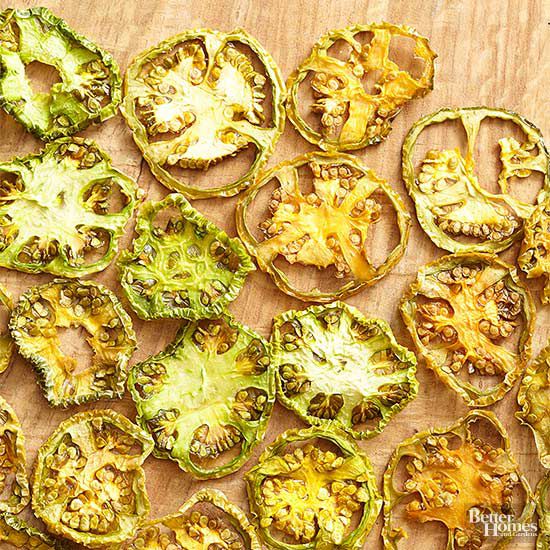
Dried Green Tomatoes
An easy vegetarian snack, our dried green tomatoes can be stored for up to 6 months and are a yummy appetizer or snack.

